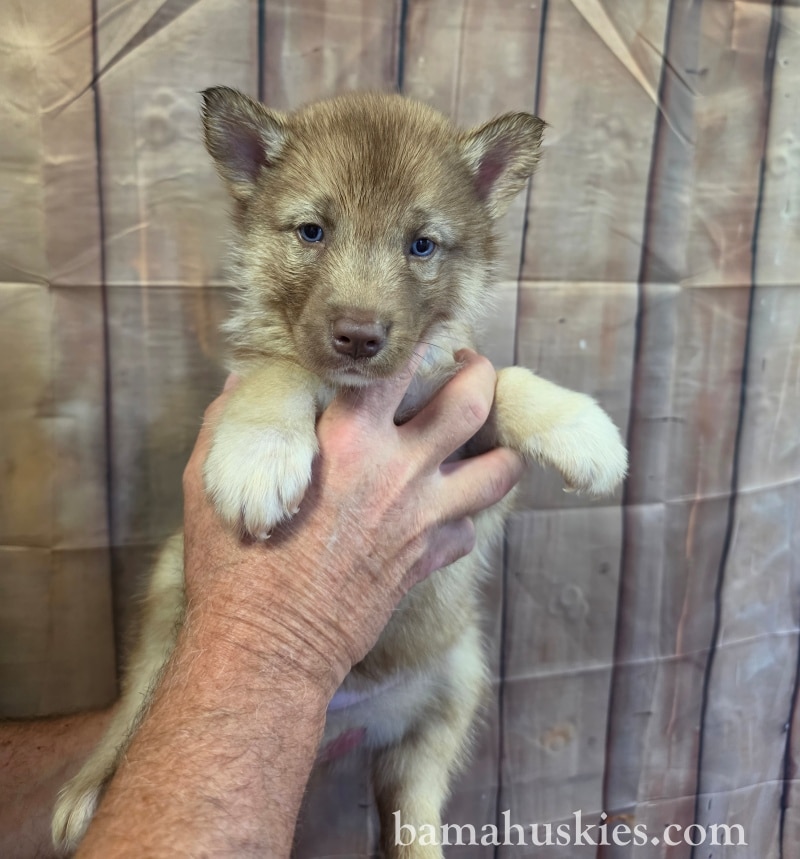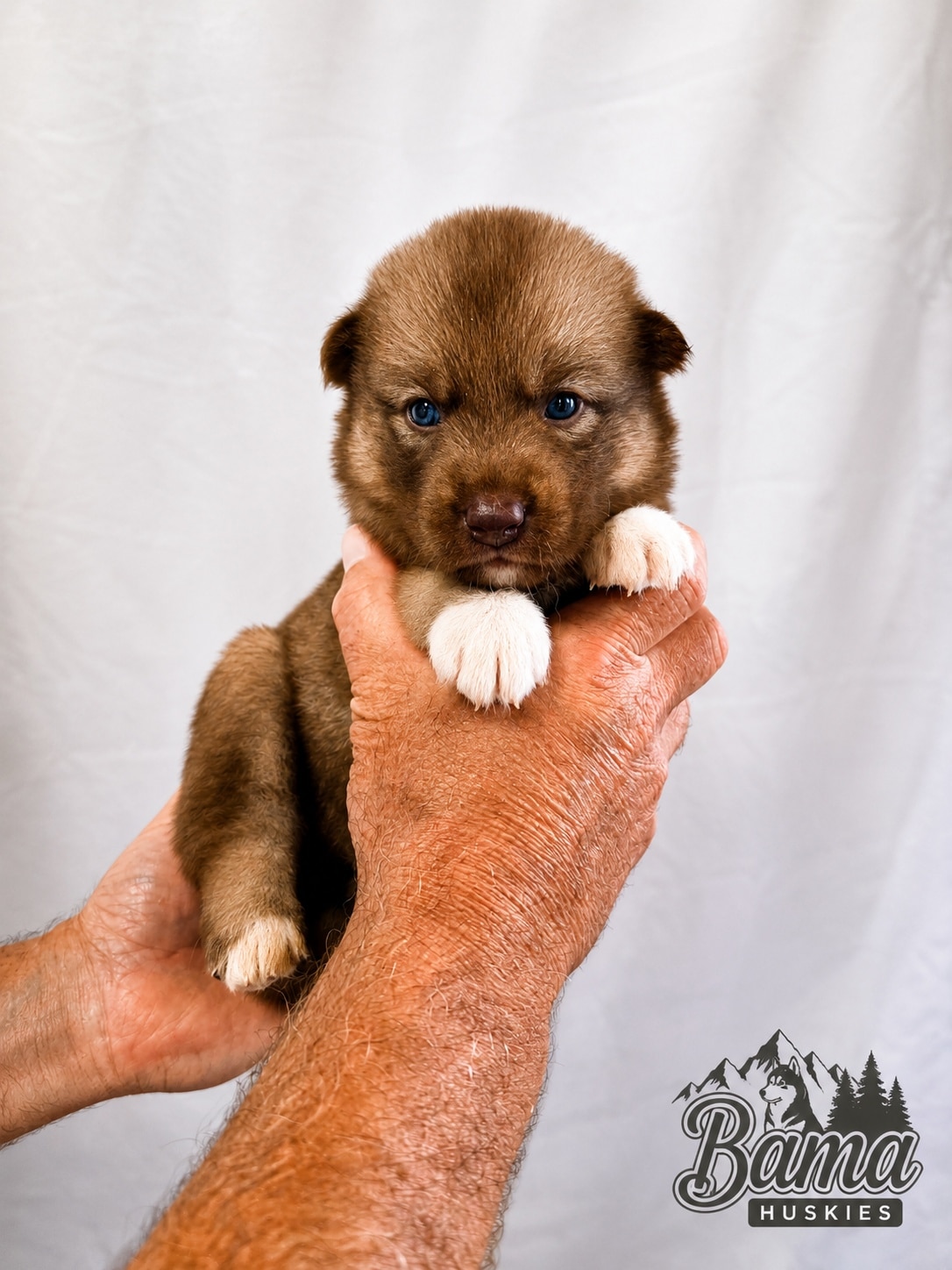
Creating a responsible and ethical breeding philosophy for dogs is essential for the health and well-being of both the animals and the breed as a whole. A responsible dog breeder should have a set of morals and ethics they go by to breed and care for their dogs. They go way above and beyond the basic requirements. Clean water, food, and shelter are just the basics. Obviously this is not all the requirements needed to become a responsible breeder. Does the breeder you are looking to buy a puppy from have a breeding philosophy? Do you even care and if not why not? It just might mean the difference between getting a well bred dog or getting your heart broke. Lets look at some of the other things a good breeder will need to address.
Health and Genetic Diversity
Prioritize the health and genetic diversity of the breed. Breed only dogs that have passed rigorous health screenings, including tests for common breed-specific health issues. Aim to minimize the occurrence of hereditary diseases and disorders through responsible breeding practices.
Temperament and Behavior
Emphasize breeding dogs with stable temperaments, good behavior, and suitable personalities for their intended roles as family companions, working dogs, or show dogs. Select for dogs that are well-socialized, trainable, and exhibit desirable breed traits.
Breed Standard
Stay true to the breed standard set by reputable kennel clubs and breed organizations. Strive to maintain the unique physical and behavioral characteristics that define the breed, avoiding extreme traits that could compromise a dog’s health or well-being.
Ethical Practices
Uphold the highest ethical standards in all breeding practices. Avoid overbreeding, puppy mills, and any practices that prioritize profit over the well-being of the dogs. Always prioritize the health and welfare of the dogs over financial gain.
Early Socialization
Ensure that puppies are raised in a loving and enriching environment from the moment they are born. Early socialization is crucial for developing well-adjusted and confident dogs.
Lifetime Commitment
Be prepared to provide lifelong care and support for the dogs you breed. This includes offering guidance to puppy buyers, taking back dogs if the owners can no longer care for them, and staying involved in the lives of your dogs.
Responsible Placement
Thoroughly screen potential puppy buyers to ensure they are a good fit for the breed and the specific dog’s needs. Educate them about the responsibilities of dog ownership and provide ongoing support.
Education and Improvement
Continuously educate yourself about advancements in veterinary care, genetics, and breeding practices. Strive to improve the breed with each generation, aiming for healthier, better-tempered, and more well-rounded dogs.
Collaboration
Work collaboratively with other responsible breeders, veterinarians, and experts in the field to share knowledge and best practices. Collaborative efforts can help maintain the integrity of the breed and tackle common challenges.
Transparency
Be transparent about your breeding practices, health testing, and the lineage of your dogs. Openly share information with potential buyers and fellow breeders to build trust and accountability within the dog breeding community.
Limited Breeding
Limit the number of litters each dog produces in their lifetime to prevent overbreeding and ensure the health and well-being of both the mother and the puppies.
Here is a summery about responsible breeding
1. Responsible breeders typically screen their parents for health and temperament, improving the chances of healthy puppies.
2. Responsible breeders are likely to have knowledge about the breed, able to provide information about health and other care.
3. Responsible breeders often provide health guarantees or warranties.
4. Responsible breeders will provide paperwork with the puppy, such as a health certificate and pedigree.
5. Responsible breeders only breed puppies if there is a demand, reducing the number of unwanted dogs.
6. Responsible breeders actively socialize their puppies during the early stages of development, increasing their chances of being well-adjusted.
7. Responsible breeders are likely to do all the necessary vaccinations, deworming, and other health care.
8. Responsible breeders are interested in the long-term welfare of the puppies, and will take the puppy back if there is ever a problem.
9. Responsible breeders are unlikely to unknowingly sell puppies with congenital health issues that could be expensive to fix or impossible to cure.
10. Responsible breeders have likely bred for conformation to the breed standards, ensuring that the puppy will have the desired breed characteristics.
11. Responsible breeders are likely to be well-informed about the breed, and able to provide advice on nutrition, vaccinations, and other care.
12. Responsible breeders are likely to have all the necessary documents for registering the puppy with the appropriate kennel club.
13. Responsible breeders are likely to provide a starter kit with food, toys, a bed, and other supplies.
14. Responsible breeders are likely to provide follow-up support and advice during the puppy’s lifetime.
15. Responsible breeders will conduct genetic testing, such as hip and elbow scoring, to reduce the risk of inherited diseases.
16. Responsible breeders are likely to be members of a recognized kennel club or organization.
17. Responsible breeders will provide detailed information about the puppy’s parents and littermates.
18. Responsible breeders will provide clear information about the puppies’ socialization and training.
19. Responsible breeders are likely to have a detailed knowledge of their breed and its relevant health concerns.
20. Responsible breeders will provide honest and accurate information to potential buyers about the puppy’s background and health information.
Continual Evaluation
Regularly evaluate the success of your breeding program by considering the health, temperament, and overall quality of the dogs you produce. Be willing to adjust your breeding strategies based on this evaluation.
Remember, responsible dog breeding is a long-term commitment that requires dedication, education, and a genuine love for the animals. By adhering to this philosophy, you can contribute to the betterment of the breed and ensure that dogs lead happy, healthy lives with their new families. Here at Bama Huskies we pride our self in using these philosophies to better our breeding program. With many years of experience, we are always learning and evolving with continued education. If you are looking for a well bred husky puppy we may be the right breeder for you. Contact us today to discuss options and how we can help match you with the right puppy.