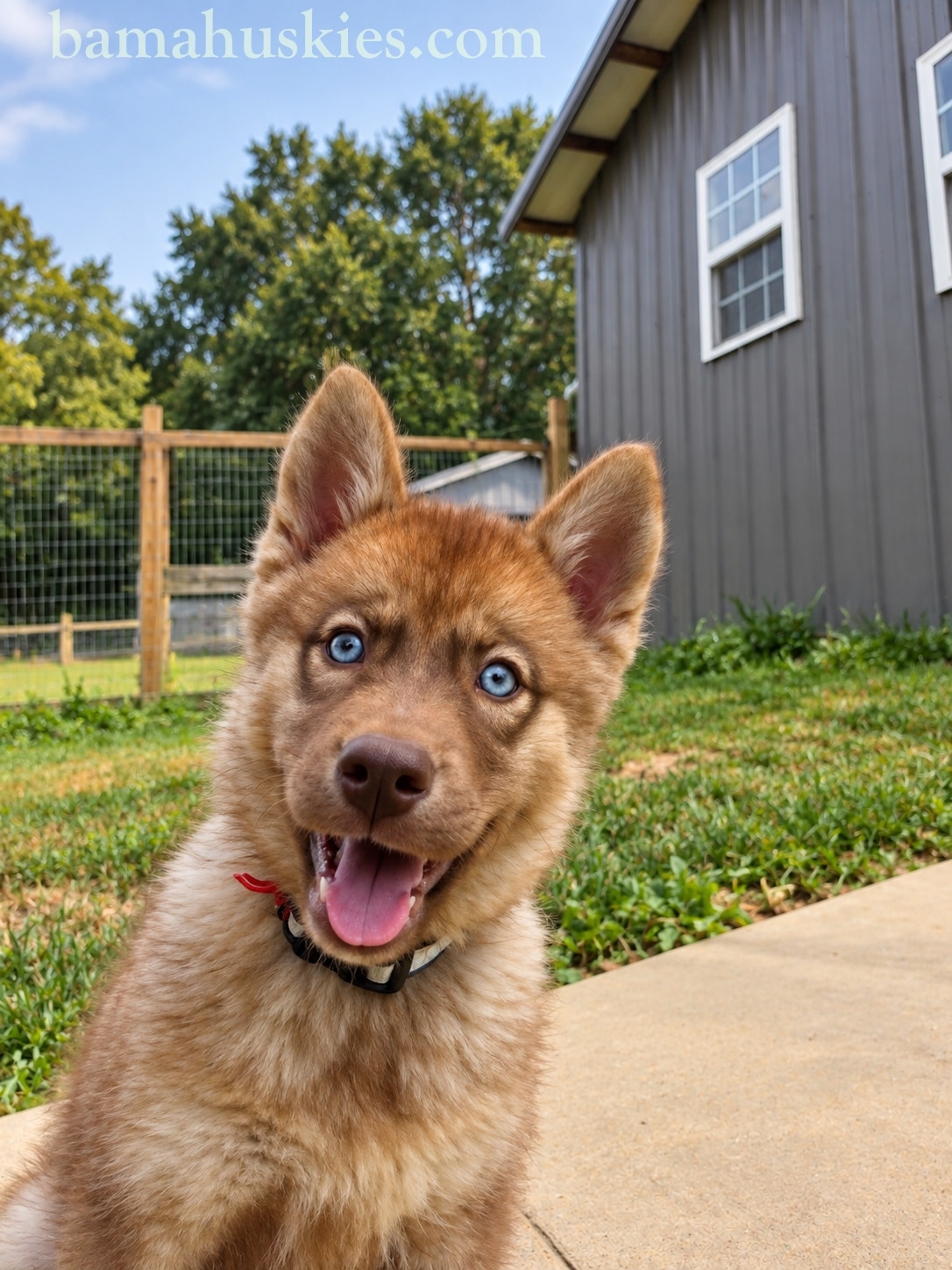
Welcome to the ultimate guide to grooming your Siberian Husky! As a proud owner of this beautiful breed, you know that their double coat requires special care to keep it healthy, shiny, and mat-free. In this comprehensive guide, we will provide you with all the information you need to become a pro at grooming your Husky. From understanding the importance of grooming to choosing the right tools and techniques, we’ve got you covered. So, let’s dive in and learn how to keep your Husky looking and feeling their best!
Importance & Benefits of Grooming Your Husky
Grooming your Husky is more than just a cosmetic task – it is crucial for their overall health and well-being. Huskies have a thick fur coat that can easily become matted and tangled without regular brushing and grooming. By taking the time to groom your Husky, you are not only keeping their coat clean and shiny but also preventing skin problems and parasites. Here are some key benefits of regular grooming:
- Preventing Matting and Tangling: Regular brushing helps to remove loose fur and prevent mats and tangles from forming in your Husky’s coat. This is especially important during shedding seasons when their coat becomes more prone to tangling.
- Promoting Healthy Skin: Grooming stimulates the production of natural oils in your Husky’s skin, keeping it moisturized and preventing dryness and irritation. It also helps to remove dirt, debris, and dead skin cells, allowing the skin to breathe and preventing clogged pores.
- Reducing Shedding: While Huskies are known for their shedding, regular grooming can help minimize the amount of loose fur in your home. Brushing removes the loose undercoat, reducing the amount of fur that ends up on your furniture and clothes.
- Bonding and Socialization: Grooming sessions provide an excellent opportunity for bonding with your Husky. It allows you to spend quality time together, strengthening your bond and building trust. Regular grooming also helps your Husky become accustomed to being handled, making veterinary visits and other grooming procedures easier.
- Early Detection of Health Issues: During grooming, you have the chance to inspect your Husky’s skin, coat, and overall body condition. This allows you to spot any abnormalities, such as skin infections, parasites, or lumps, early on and seek veterinary attention if needed.
By incorporating grooming into your routine, you can ensure that your Husky’s coat remains healthy, shiny, and free from discomfort.
Tools for Grooming Your Husky
Start by choosing the right tools! To make the grooming process effective and enjoyable for both you and your Husky, it is essential to have the right tools. Here are some must-have grooming tools for your Husky:
- Slicker Brush: A slicker brush is a versatile tool that is perfect for removing loose fur and minor tangles in your Husky’s coat. Look for one with fine, short wires that can reach deep into their dense fur without causing discomfort. Use gentle, long strokes in the direction of hair growth to prevent skin irritation.
- Undercoat Rake: Huskies have a dense undercoat that requires special attention. An undercoat rake is designed to penetrate through the topcoat and remove loose undercoat hair effectively. Look for one with rounded teeth to avoid scratching your Husky’s skin. Use this tool with caution and apply minimal pressure to avoid causing discomfort.
- FURminator® deShedding Kit: The FURminator® deShedding Kit is a game-changer when it comes to managing your Husky’s shedding. It includes a deShedding Shampoo, deShedding Conditioner, and a deShedding Waterless Spray. These products are enriched with Omega 3 and 6 fatty acids, which help reduce loose hair and nourish the skin. Follow the FURminator® grooming regimen of brushing daily, deShedding weekly, and bathing monthly for optimal results.
- Nail Clippers: Regular nail trimming is essential to prevent your Husky’s nails from becoming too long and sharp. Invest in a pair of high-quality nail clippers specifically designed for dogs. Take care not to cut the nails too short, as it can cause pain and bleeding. If you’re unsure about nail trimming, consult a professional groomer or veterinarian.
- Ear Cleaner: Huskies are prone to ear infections, so regular ear cleaning is crucial. Choose a gentle pet ear cleaner and use a cotton ball to clean the outer part of your Husky’s ears. Avoid inserting anything into the ear canal, as it can damage the delicate structures inside. If you notice any signs of infection, such as redness, swelling, or a foul odor, consult your veterinarian.
Remember to choose grooming tools that are specifically designed for dogs and suitable for your Husky’s coat type. Investing in high-quality tools will make the grooming process more comfortable and effective for both you and your furry friend.
The Dos of Brushing Your Husky
Brushing is a fundamental part of grooming your Husky. Here are some dos to keep in mind when brushing your Husky’s coat:
- Start with a Dry Coat: It is best to brush your Husky’s coat when it is dry. Wet fur can be more prone to tangling, making it difficult to remove mats or tangles.
- Brush in the Direction of Hair Growth: Always brush in the direction of hair growth to minimize the risk of causing discomfort or skin irritation. Start at the top of your Husky’s head and work your way down their body, following the natural flow of their fur.
- Section the Fur: To ensure that you reach all areas of your Husky’s coat, divide it into sections. This will help you brush systematically and prevent any missed spots. Start with smaller sections and gradually work your way through the entire coat.
- Be Gentle: Huskies have sensitive skin, so it’s important to be gentle while brushing. Avoid using excessive force or pressing too hard, as it can cause discomfort and may even lead to skin irritation. Take your time and be patient with your Husky during the grooming process.
- Brush the Tail: Don’t forget to brush your Husky’s tail, as this is a common area for mats and tangles to form. Use long, gentle strokes and pay attention to the base of the tail, where the fur is denser.
By following these dos, you can ensure that your Husky’s coat remains healthy, tangle-free, and comfortable.
The Don’ts of Brushing Your Husky
While there are important dos when it comes to brushing your Husky, there are also some don’ts to keep in mind. Here are a few things to avoid:
- Don’t Rush: Brushing your Husky’s coat requires time and patience. Rushing through the process can result in missed tangles or mats. Take your time and give each section of the coat the attention it deserves.
- Avoid Overbrushing: While brushing is essential, overbrushing can lead to skin irritation. Avoid excessive brushing, especially if your Husky has a healthy coat. Stick to a regular brushing schedule and adjust the frequency based on shedding seasons or your Husky’s individual needs.
- Don’t Use a Dematting Tool: Huskies have a delicate undercoat that can easily be damaged by dematting tools. Instead, stick to a slicker brush and undercoat rake for regular brushing. If you encounter stubborn mats or tangles, it’s best to seek professional help from a groomer who can safely remove them.
- Avoid Brushing Wet Fur: Wet fur is more prone to breakage and can make brushing more challenging. Allow your Husky’s coat to dry completely before brushing to avoid causing damage to the hair or irritating the skin.
- Never Clip or Shave Your Husky: Huskies have a natural insulation system in their double coat, which protects them from both heat and cold. Clipping or shaving their fur can disrupt this system and expose them to temperature extremes. Avoid the temptation to give your Husky a short haircut, as it can have adverse effects on their coat and overall health.
By keeping these don’ts in mind, you can ensure that your grooming routine is safe and effective for your Husky.
Expert Tips and Advice for Grooming Your Husky
As an experienced groomer, I’ve picked up some valuable tips and advice along the way. Here are some expert tips to help you groom your Husky like a pro:
- Establish a Regular Grooming Routine: Consistency is key when it comes to grooming your Husky. Establish a regular schedule for brushing, bathing, and other grooming tasks. This will help your Husky become accustomed to the routine and make the process more manageable for both of you.
- Use Positive Reinforcement: Make grooming a positive experience for your Husky by using rewards and praise. Offer treats or verbal encouragement during the grooming session to keep your Husky engaged and motivated. This will help create a positive association with grooming and make future sessions more enjoyable.
- Pay Attention to Sensitive Areas: Huskies have certain areas that are more sensitive than others, such as the belly, armpits, and ears. Take extra care when grooming these areas to avoid causing discomfort or injury. Use gentle strokes and be mindful of your Husky’s reactions.
- Be Mindful of Seasonal Shedding: Huskies have a seasonal shedding pattern, commonly known as “blowing their coat.” During this time, their undercoat sheds heavily, and regular brushing becomes even more important. Increase your grooming sessions to remove loose fur and prevent mats from forming.
- Seek Professional Help when Needed: If you encounter stubborn mats, tangles, or any grooming task that you’re not comfortable with, don’t hesitate to seek professional help. A professional groomer can safely handle these situations and provide guidance on proper grooming techniques.
By following these expert tips and advice, you can enhance your grooming skills and ensure a positive grooming experience for both you and your Husky.
Seasonal Considerations for Husky Grooming
Huskies have a unique coat that requires special attention throughout the year. Here are some seasonal considerations to keep in mind when grooming your Husky:
- Summer: During the summer months, Huskies may shed less due to the warmer weather. However, it’s still essential to brush your Husky regularly to remove loose fur and prevent overheating. Avoid shaving or clipping their coat, as it provides insulation against both heat and cold.
- Winter: Winter is an important time to pay extra attention to your Husky’s grooming needs. Their coat becomes thicker to protect them from the cold, and regular brushing helps to remove dead hair and maintain insulation. Avoid bathing your Husky too frequently during this time, as it can strip away the natural oils that keep their coat healthy and waterproof.
- Spring and Fall: Spring and fall are the seasons when Huskies “blow their coat.” This is a natural process where they shed their undercoat to make way for a new one. During this time, your Husky will shed heavily, and brushing becomes even more crucial. Increase the frequency of brushing sessions to remove loose fur and prevent mats from forming.
By considering the seasonal changes in your Husky’s coat, you can adapt your grooming routine to meet their specific needs throughout the year.
Common Questions Answered
As a Husky owner, you may have some common questions about grooming your furry friend. Here are answers to a few frequently asked questions:
- How often should I brush my Husky?: Huskies should be brushed at least once a week to remove loose fur and prevent matting. During shedding seasons, daily brushing is recommended to manage the heavy shedding.
- Can I bathe my Husky frequently?: Huskies typically do not require frequent bathing. Aim for bathing them once every few months, unless they get exceptionally dirty or have a skin condition. Over-bathing can strip away the natural oils in their coat, leading to dryness and skin problems.
- Should I trim my Husky’s coat?: It is generally not recommended to trim a Husky’s coat, as it disrupts their natural insulation system. Their double coat provides protection against both heat and cold, and trimming it can expose them to temperature extremes.
- How can I prevent ear infections in my Husky?: Regular ear cleaning is crucial to prevent ear infections in Huskies. Use a gentle pet ear cleaner and a cotton ball to clean the outer part of their ears. Avoid inserting anything into the ear canal, as it can damage the delicate structures inside.
Remember, if you have any specific concerns or questions about grooming your Husky, it’s always best to consult with a professional groomer or veterinarian for personalized advice.
Conclusion
Congratulations! You are now equipped with all the knowledge and tools you need to groom your Siberian Husky like a pro. By understanding the importance of grooming, choosing the right tools, and following the dos and don’ts, you can ensure that your Husky’s coat remains healthy, shiny, and mat-free. Remember to establish a regular grooming routine, use positive reinforcement, and seek professional help when needed. With your love and care, your Husky will look and feel their best, making you both happy and proud. Happy grooming!